
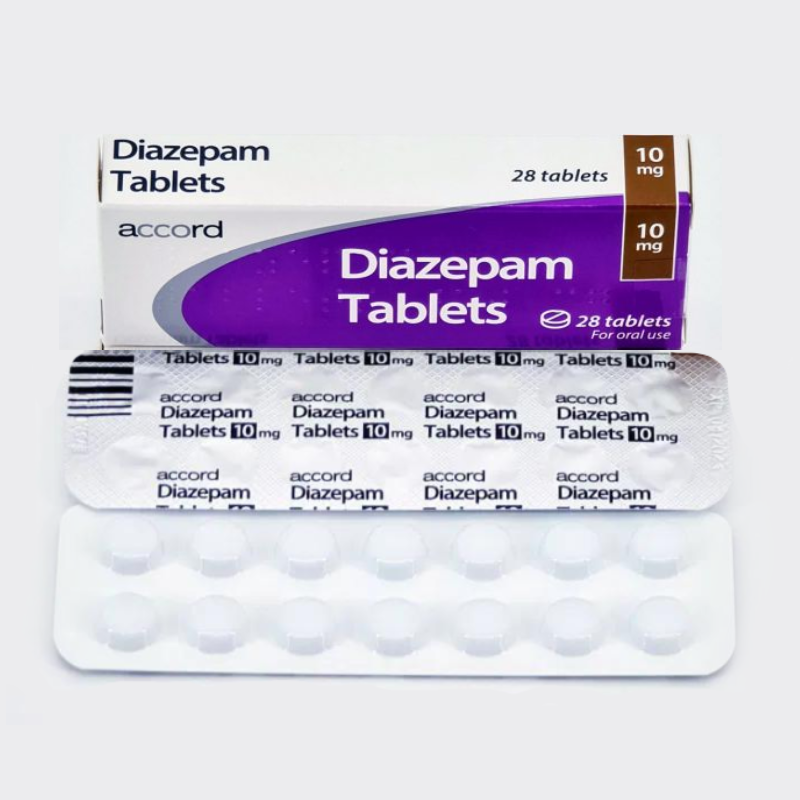
What Is Diazepam?
Diazepam is the generic name for a prescription-only medicine belonging to the benzodiazepine class of drugs. It is widely prescribed across the EU for the short-term management of anxiety, muscle spasms, seizures and alcohol withdrawal, as well as for procedural sedation in medical settings.
Diazepam is a long-acting benzodiazepine, meaning it remains active in the body for an extended period. This prolonged effect can provide sustained symptom relief but also contributes to its potential for accumulation and dependence with repeated use.
What Is Diazepam Prescribed For?
Diazepam for Anxiety and Related Conditions
Diazepam is commonly prescribed for short-term relief of severe anxiety or acute distress, particularly when symptoms are disabling or causing significant impairment.
It may help with:
-
Reducing feelings of anxiety and panic
-
Muscle relaxation
-
Sedation and calming effects
-
Relief of agitation or restlessness
Diazepam is usually prescribed for short durations to minimize the risk of tolerance and dependence.
Other Approved and Clinical Uses
In addition to anxiety, diazepam may be prescribed for:
-
Muscle spasms and spasticity
-
Epileptic seizures and status epilepticus
-
Alcohol withdrawal symptoms
-
Pre-medication before medical or dental procedures
Use is determined by a healthcare professional based on clinical need and individual risk factors.
How Diazepam Works
Diazepam enhances the effects of gamma-aminobutyric acid (GABA), a neurotransmitter that reduces activity in the central nervous system. By increasing GABA’s calming influence, diazepam slows brain activity, producing sedative, anxiolytic, muscle-relaxant and anticonvulsant effects.
Its long half-life contributes to prolonged action but also increases the risk of sedation and accumulation, particularly in older adults.
Side Effects of Diazepam
Common Side Effects
Some individuals may experience side effects while taking diazepam, including:
-
Drowsiness or fatigue
-
Dizziness or light-headedness
-
Muscle weakness
-
Reduced alertness
-
Impaired coordination
-
Slurred speech
These effects are often dose-related and may lessen as the body adjusts, although ongoing sedation can occur.
Serious Side Effects
More serious side effects are less common but may occur, particularly with higher doses, prolonged use or misuse. These include:
-
Confusion or memory problems
-
Respiratory depression
-
Severe drowsiness or sedation
-
Mood changes or emotional blunting
-
Paradoxical agitation or aggression
-
Increased risk of falls and accidents
Immediate medical attention should be sought if severe sedation, breathing difficulties or unusual behavioral changes occur.
Diazepam Misuse and Dependence
Diazepam should only be taken exactly as prescribed. Benzodiazepines carry a recognized risk of misuse and dependence, even when used at therapeutic doses over extended periods.
Misuse may involve:
-
Taking higher or more frequent doses than prescribed
-
Using diazepam without a prescription
-
Combining diazepam with alcohol or other drugs
-
Using it for emotional numbing or sleep without medical oversight
Long-term use can lead to tolerance, physical dependence and psychological reliance.
Diazepam Withdrawal
Stopping diazepam abruptly after regular or long-term use can lead to withdrawal symptoms, which may be severe.
Common withdrawal symptoms include:
-
Anxiety and panic
-
Insomnia
-
Irritability or agitation
-
Tremors
-
Sweating
-
Muscle pain
-
Sensory disturbances
In severe cases, withdrawal may involve seizures or delirium. For this reason, diazepam should never be stopped suddenly without medical supervision.
Treatment for Diazepam Dependence
Medically Supervised Tapering
When dependence has developed, a gradual, medically supervised tapering programmed is recommended. This typically involves:
-
Slow dose reduction over weeks or months
-
Regular monitoring of withdrawal symptoms
-
Individualized tapering schedules
This approach reduces withdrawal severity and improves safety.
Psychological and Therapeutic Support
Alongside medication management, treatment may include:
-
Psychological therapies
-
Education about benzodiazepine dependence
-
Anxiety management strategies
-
Sleep and stress regulation techniques
These supports help address underlying causes and reduce the risk of relapse.
Dual Diagnosis Care
Some individuals who develop dependence on diazepam may also have co-existing conditions such as anxiety disorders, depression, PTSD or alcohol use disorder. Dual diagnosis care treats both the benzodiazepine dependence and the underlying mental health condition together.
This integrated approach supports safer prescribing and long-term wellbeing.
Ongoing Care and Recovery
After tapering or treatment, ongoing care may include:
-
Regular follow-up appointments
-
Continued psychological support
-
Non-benzodiazepine treatment options for anxiety or sleep
-
Lifestyle and coping strategy support
Long-term monitoring helps maintain recovery and reduce the risk of relapse.
When to Seek Help
If you are concerned about diazepam use, side effects or dependence, it is important to seek advice from a healthcare professional. Early intervention can prevent complications and improve outcomes.
Support is available across EU healthcare systems through primary care providers, specialist services and mental health professionals.

Reviews
There are no reviews yet.