
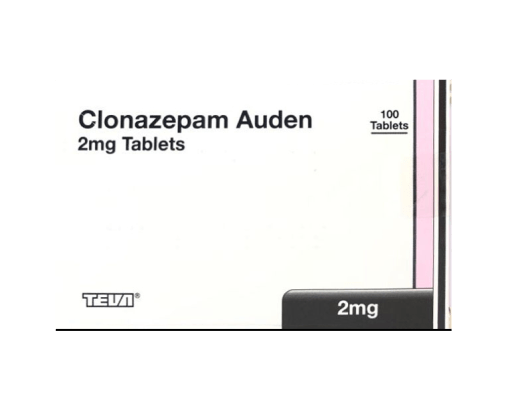
Clonazepam: Uses, Side Effects, Dependence and Treatment
What Is Clonazepam?
Clonazepam is a prescription-only medication classified as a benzodiazepine. It acts on the central nervous system (CNS) and is primarily used to treat seizure disorders and certain anxiety-related conditions.
Clonazepam is commonly known under brand names such as Klonopin or Rivotril, depending on the country. It is available in tablet form and is intended for short- to medium-term use unless otherwise directed by a specialist.
What Is Clonazepam Prescribed For?
Clonazepam for Seizure Disorders
Clonazepam is widely prescribed for the management of seizure disorders, including:
-
Absence seizures
-
Myoclonic seizures
-
Lennox-Gastaut syndrome
-
Other forms of epilepsy
It may be used alone or in combination with other anti-epileptic medications.
Clonazepam for Anxiety and Panic Disorders
Clonazepam may also be prescribed for:
-
Panic disorder
-
Severe anxiety
-
Short-term management of acute agitation
Its calming and sedative effects help reduce excessive nervous system activity.
Any off-label use is determined by a specialist based on individual clinical need.
How Clonazepam Works
Clonazepam works by enhancing the activity of gamma-aminobutyric acid (GABA), a neurotransmitter that inhibits excessive brain activity.
By increasing GABA’s calming effects, clonazepam reduces seizure activity, anxiety and muscle tension. This mechanism contributes to its therapeutic benefits but also to its sedative properties.
Side Effects of Clonazepam
Common Side Effects
Some individuals may experience side effects while taking clonazepam, including:
-
Drowsiness or sedation
-
Dizziness
-
Fatigue
-
Impaired coordination
-
Memory or concentration difficulties
These effects are often dose-related and may improve with dose adjustment.
Serious Side Effects
Less common but more serious side effects may include:
-
Severe drowsiness or confusion
-
Respiratory depression (especially when combined with opioids or alcohol)
-
Mood changes or depression
-
Suicidal thoughts
-
Allergic reactions
Immediate medical attention should be sought if breathing difficulties, severe sedation or significant mood changes occur.
Clonazepam Misuse and Dependence
Clonazepam is a controlled medication with a known risk of tolerance, misuse and dependence, particularly with prolonged use.
Misuse may involve:
-
Taking higher doses than prescribed
-
Using clonazepam without a prescription
-
Combining it with alcohol or other sedatives
-
Using it for its calming or euphoric effects
Long-term use can lead to physical and psychological dependence.
Clonazepam Withdrawal
Stopping clonazepam suddenly after regular use may result in withdrawal symptoms, which can be severe in some cases.
Common withdrawal symptoms include:
-
Anxiety and agitation
-
Insomnia
-
Tremors
-
Sweating
-
Nausea
-
Seizures (in severe cases)
Because benzodiazepine withdrawal can be medically serious, dose reduction should always be gradual and medically supervised.
Treatment for Clonazepam Dependence
Medically Supervised Management
Treatment begins with a comprehensive medical assessment. Management may include:
-
Gradual tapering of the dose
-
Monitoring for withdrawal symptoms
-
Substitution with a longer-acting benzodiazepine where appropriate
Tapering schedules are individualized to reduce withdrawal risk safely.
Psychological and Therapeutic Support
In addition to medical supervision, treatment may involve:
-
Psychological therapies
-
Education about benzodiazepine dependence
-
Coping strategies for anxiety
-
Relapse prevention planning
These approaches address both physiological dependence and underlying anxiety or mental health conditions.
Co-Existing Conditions and Dual Diagnosis Care
Individuals who develop dependence on clonazepam may also have co-existing conditions such as anxiety disorders, depression or substance use disorders.
Dual diagnosis care treats both benzodiazepine-related issues and underlying mental health conditions simultaneously, improving long-term outcomes.
Ongoing Care and Long-Term Management
Following stabilization or tapering, ongoing care may include:
-
Regular clinical reviews
-
Non-benzodiazepine anxiety treatments
-
Psychological therapy
-
Monitoring for relapse or symptom recurrence
Long-term follow-up supports safe management and reduces the risk of dependence recurrence.
When to Seek Medical Advice
If you are concerned about clonazepam use, side effects or dependence, seek medical advice promptly. Early intervention can reduce complications and support safer treatment.
Support is available through primary care providers, neurology specialists, mental health services and addiction treatment providers.

Reviews
There are no reviews yet.