
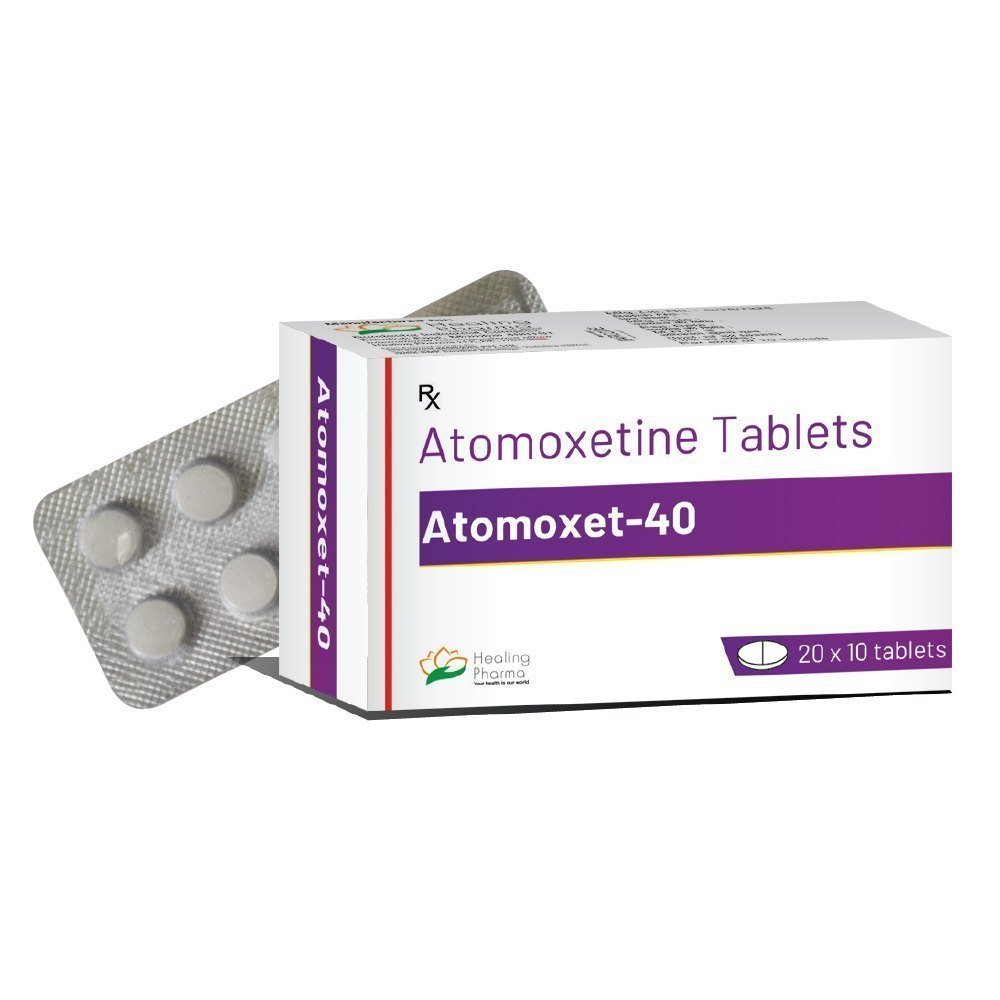
Atomoxetine: Uses, Side Effects, Dependence and Treatment
What Is Atomoxetine?
Atomoxetine is a prescription-only medication used primarily for the treatment of attention deficit hyperactivity disorder (ADHD). It is classified as a selective noradrenaline reuptake inhibitor (SNRI) and is considered a non-stimulant alternative to traditional stimulant medications.
Atomoxetine is commonly sold under the brand name Strattera. It is taken as a daily capsule and is intended for continuous use rather than on-demand dosing.
What Is Atomoxetine Prescribed For?
Atomoxetine for ADHD
Atomoxetine is prescribed for children, adolescents and adults with ADHD, particularly when stimulant medications are unsuitable, poorly tolerated or ineffective.
It may help improve:
-
Attention and concentration
-
Impulse control
-
Emotional regulation
-
Sustained focus and task completion
Atomoxetine is usually taken once or twice daily. Unlike stimulant medications, its therapeutic effects develop gradually and may take several weeks to become fully apparent.
Other Approved and Clinical Uses
Atomoxetine may be considered for individuals with ADHD who also have:
-
A history of stimulant misuse
-
Co-existing anxiety disorders
-
Tic disorders
-
Cardiovascular risk factors
Any off-label use is determined by a specialist following careful clinical assessment.
How Atomoxetine Works
Atomoxetine works by selectively increasing levels of noradrenaline in the brain. Noradrenaline plays a key role in attention, alertness and executive functioning.
By enhancing noradrenaline activity in specific brain regions, atomoxetine helps improve focus and behavioral control without directly stimulating dopamine release. This mechanism contributes to its lower misuse potential compared to stimulant medications.http://bing.com
Side Effects of Atomoxetine
Common Side Effects
Some individuals may experience side effects when starting atomoxetine, including:
-
Reduced appetite
-
Nausea or stomach discomfort
-
Fatigue or drowsiness
-
Dry mouth
-
Dizziness
-
Sleep disturbances
These side effects are often mild to moderate and may improve as the body adjusts to treatment.
Serious Side Effects
Less commonly, atomoxetine may cause more serious side effects, including:
-
Increased heart rate or blood pressure
-
Mood changes or irritability
-
Suicidal thoughts, particularly in children and adolescents
-
Liver function abnormalities
-
Allergic reactions
Immediate medical attention should be sought if severe mood changes, signs of liver injury (such as yellowing of the skin or dark urine), or cardiovascular symptoms occur.
Atomoxetine Misuse and Dependence
Atomoxetine is not a controlled substance and has a low risk of misuse or dependence. It does not produce stimulant-related effects such as euphoria or cravings.
It is not associated with:
-
Tolerance development
-
Compulsive use
-
Psychological dependence
This makes atomoxetine a suitable option for individuals with a history of substance misuse or those requiring a non-stimulant ADHD treatment.
Atomoxetine Discontinuation
Atomoxetine does not typically cause withdrawal symptoms. However, stopping treatment abruptly may lead to the return of ADHD symptoms.
Some individuals may experience:
-
Fatigue
-
Low mood
-
Reduced concentration
Any dose changes or discontinuation should be carried out under medical supervision.
Treatment Considerations for Atomoxetine Use
Medical Monitoring
Treatment with atomoxetine includes regular clinical monitoring, especially during initiation and dose adjustments. This may involve:
-
Blood pressure and heart rate checks
-
Monitoring mood and behavioral changes
-
Assessing treatment effectiveness
Doses are adjusted gradually to optimize benefits while minimizing side effects.
Psychological and Therapeutic Support
Medication is often most effective when combined with supportive therapies, including:
-
Behavioral therapy
-
Psychoeducation
-
Skills-based support for organization and attention
This combined approach supports long-term symptom management.
ADHD and Co-Existing Conditions
Atomoxetine is frequently used in individuals with ADHD and co-existing conditions such as anxiety or tic disorders, where stimulant medications may worsen symptoms.
Treating both ADHD and associated conditions together allows for a more balanced and effective care plan.
Ongoing Care and Long-Term Management
Long-term management with atomoxetine may include:
-
Regular medication reviews
-
Continued psychological support
-
Reassessment of ADHD symptoms
-
Adjustment of treatment as clinical needs evolve
Atomoxetine can be used safely as a long-term treatment when monitored appropriately.
When to Seek Medical Advice
If you have concerns about atomoxetine, side effects or ADHD symptoms, consult a qualified healthcare professional. Early assessment and ongoing review help ensure safe and effective treatment.
Support is available through primary care providers, ADHD specialists and mental health services.
Reviews
There are no reviews yet.