
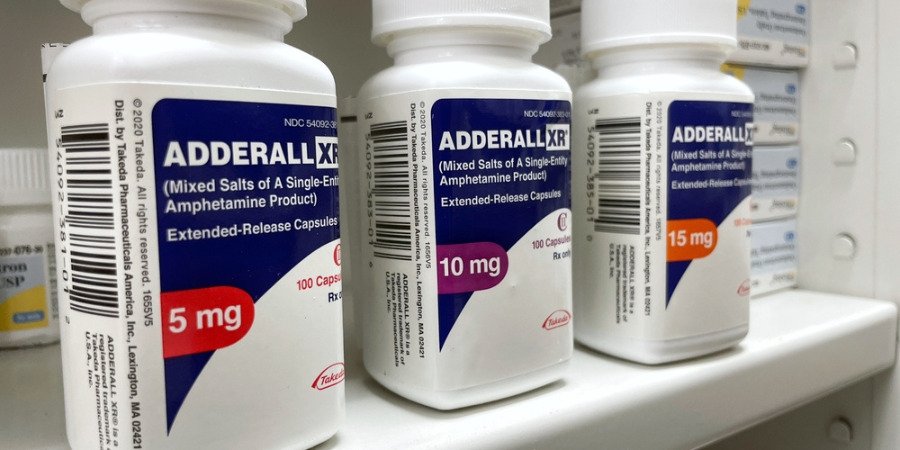
Adderall: Uses, Side Effects, Dependence and Treatment
What Is Adderall?
Adderall is the brand name for a prescription-only medication containing a combination of amphetamine salts. It is classified as a central nervous system (CNS) stimulant and is primarily prescribed for the treatment of attention deficit hyperactivity disorder (ADHD). In some cases, it is also used to treat narcolepsy.
Adderall is available in immediate-release and extended-release (Adderall XR) formulations. These options allow treatment to be tailored to individual needs, with extended-release versions designed to provide longer-lasting symptom control.
What Is Adderall Prescribed For?
Adderall for ADHD
Adderall is commonly prescribed for children, adolescents and adults with ADHD when symptoms significantly interfere with daily functioning.
It may help improve:
-
Attention and concentration
-
Impulse control
-
Organization and task completion
-
Sustained focus and mental effort
Dosing schedules vary depending on age, formulation and clinical response. Adderall XR is typically taken once daily, while immediate-release forms may be taken multiple times per day.
Other Approved and Clinical Uses
In addition to ADHD, Adderall may be prescribed for:
-
Narcolepsy
-
Excessive daytime sleepiness
Any off-label use is determined by a specialist and based on individual clinical need.
How Adderall Works
Adderall increases the availability of key neurotransmitters in the brain, particularly dopamine and noradrenaline. These neurotransmitters play an important role in attention, motivation and executive functioning.
By stimulating activity in specific areas of the brain, Adderall helps improve focus and behavioral control. Because it is active immediately after absorption, Adderall has a faster onset of action compared to prodrug stimulants.
Side Effects of Adderall
Common Side Effects
Some individuals may experience side effects while taking Adderall, including:
-
Reduced appetite
-
Difficulty sleeping (insomnia)
-
Dry mouth
-
Headache
-
Increased heart rate
-
Nervousness or anxiety
These side effects are often dose-related and may lessen as the body adjusts to treatment.
Serious Side Effects
More serious side effects are less common but can occur, particularly at higher doses or when Adderall is misused. These include:
-
High blood pressure
-
Chest pain
-
Heart rhythm disturbances
-
Mood changes or irritability
-
Hallucinations or paranoia
-
Seizures
Immediate medical attention should be sought if severe cardiovascular, neurological or psychiatric symptoms occur.
Adderall Misuse and Dependence
Adderall is a controlled prescription medicine and carries a recognized risk of misuse and dependence. The risk is higher when the medication is taken without medical supervision or used in ways not prescribed.
Misuse may involve:
-
Taking higher doses than prescribed
-
Using Adderall without a prescription
-
Using it for academic or work performance enhancement
-
Appetite suppression or weight loss
Long-term misuse can lead to tolerance, psychological dependence and negative physical or mental health effects.
Adderall Withdrawal
Stopping Adderall suddenly after prolonged or high-dose use may result in withdrawal symptoms.
Common withdrawal symptoms include:
-
Fatigue and low energy
-
Low mood or depression
-
Sleep disturbances
-
Irritability
-
Difficulty concentrating
-
Cravings for the medication
While withdrawal is usually not medically dangerous, symptoms can be distressing and may increase the risk of relapse.
Treatment for Adderall Dependence
Medically Supervised Management
Treatment for Adderall dependence typically begins with a full medical assessment. Management may involve:
-
Gradual dose reduction where appropriate
-
Monitoring of mood, sleep and energy levels
-
Support for co-existing mental health symptoms
Treatment plans are individualized and based on the pattern and duration of Adderall use.
Psychological and Therapeutic Support
Alongside medication management, treatment may include:
-
Psychological therapies
-
Education about stimulant dependence
-
Coping strategies for cravings
-
Relapse prevention planning
These interventions help address both behavioral patterns and underlying contributors to misuse.
Dual Diagnosis Care
Some individuals who develop problems with Adderall use may also have co-existing conditions such as ADHD, anxiety, depression or other substance use disorders. Dual diagnosis care treats both the stimulant-related issue and the underlying mental health condition together.
This integrated approach supports safer long-term outcomes and more effective treatment planning.
Ongoing Care and Recovery
Following treatment or stabilization, ongoing care may include:
-
Regular clinical reviews
-
Continued psychological support
-
Reassessment of ADHD treatment options
-
Consideration of non-stimulant alternatives where appropriate
Long-term follow-up helps reduce relapse risk and supports overall wellbeing.
When to Seek Help
If you are concerned about Adderall use, side effects or dependence, it is important to seek advice from a healthcare professional. Early assessment and support can prevent complications and improve outcomes.
Support is available through primary care providers, specialist services and mental health professionals.


Reviews
There are no reviews yet.