
Oxycodone: Uses, Side Effects, Dependence and Treatment
What Is Oxycodone?
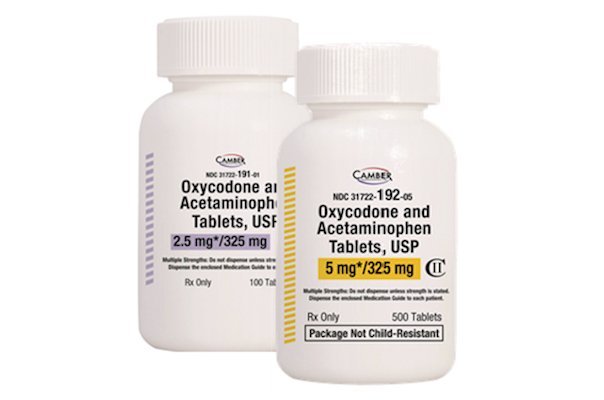
Oxycodone is a prescription-only opioid analgesic used for the management of moderate to severe pain when other pain treatments are insufficient. It acts on opioid receptors in the central nervous system to reduce the perception of pain.
Oxycodone is available in immediate-release and prolonged-release formulations. It may be prescribed alone or in combination with other pain-relieving agents, depending on clinical need.
What Is Oxycodone Prescribed For?
Oxycodone for Pain Management
Oxycodone is prescribed for adults experiencing moderate to severe pain, including:
-
Post-surgical pain
-
Cancer-related pain
-
Severe injury or trauma-related pain
-
Chronic pain requiring strong opioid therapy
Treatment duration and dosing depend on pain severity, treatment response and individual risk factors.
Other Approved and Clinical Uses
In some cases, oxycodone may be used as part of palliative care or long-term pain management under specialist supervision.
Any off-label use is determined by a specialist and based on careful clinical assessment.
How Oxycodone Works
Oxycodone works by binding to opioid receptors in the brain and spinal cord. This action alters the way pain signals are transmitted and perceived, producing analgesia and a sense of pain relief.
In addition to pain relief, opioid receptor activation can cause sedation and relaxation. These effects contribute to both its therapeutic benefits and potential risks.
Side Effects of Oxycodone
Common Side Effects
Some individuals may experience side effects while taking oxycodone, including:
-
Drowsiness or sedation
-
Constipation
-
Nausea or vomiting
-
Dizziness
-
Dry mouth
-
Itching or sweating
These side effects are common with opioid medications and may improve with dose adjustment or supportive treatment.
Serious Side Effects
Serious side effects may occur, particularly at higher doses or when oxycodone is combined with other central nervous system depressants. These include:
-
Respiratory depression (slowed or difficult breathing)
-
Low blood pressure
-
Confusion or extreme sedation
-
Loss of consciousness
-
Opioid overdose
Immediate medical attention is required if breathing difficulties, severe sedation or overdose symptoms occur.
Oxycodone Misuse and Dependence
Oxycodone is a controlled opioid medication with a well-recognized risk of misuse, tolerance and dependence.
Misuse may involve:
-
Taking higher doses than prescribed
-
Using oxycodone without a prescription
-
Using it for its euphoric effects
-
Combining it with alcohol, benzodiazepines or other sedatives
Long-term misuse can lead to physical dependence, psychological dependence and increased overdose risk.
Oxycodone Withdrawal
Stopping oxycodone suddenly after prolonged or high-dose use can lead to withdrawal symptoms.
Common withdrawal symptoms include:
-
Muscle aches and restlessness
-
Anxiety or agitation
-
Sweating and chills
-
Nausea, vomiting or diarrhea
-
Insomnia
-
Strong cravings
While opioid withdrawal is rarely life-threatening, symptoms can be severe and distressing without appropriate support.
Treatment for Oxycodone Dependence
Medically Supervised Management
Treatment for oxycodone dependence begins with a thorough medical assessment. Management may include:
-
Gradual dose tapering
-
Opioid substitution therapy where appropriate
-
Monitoring for withdrawal symptoms and complications
Treatment plans are individualized based on pain needs, dependence severity and overall health.
Psychological and Therapeutic Support
In addition to medical treatment, recovery often includes:
-
Psychological therapies
-
Education about opioid dependence
-
Coping strategies for cravings and pain
-
Relapse prevention planning
These interventions support both physical stabilization and long-term recovery.
Co-Existing Conditions and Dual Diagnosis Care
Many individuals using oxycodone long-term may also have co-existing conditions such as chronic pain, anxiety, depression or other substance use disorders.
Dual diagnosis care addresses both pain management and substance-related concerns together, improving safety and treatment outcomes.
Ongoing Care and Long-Term Management
Following stabilization or treatment, ongoing care may include:
-
Regular clinical follow-ups
-
Review of pain management strategies
-
Continued psychological support
-
Consideration of non-opioid pain treatments where appropriate
Long-term monitoring helps reduce relapse risk and supports overall wellbeing.
When to Seek Medical Advice
If you are concerned about oxycodone use, side effects or dependence, seek advice from a healthcare professional promptly. Early assessment can reduce the risk of complications and improve outcomes.
Support is available through primary care providers, pain specialists and addiction services.
Reviews
There are no reviews yet.