

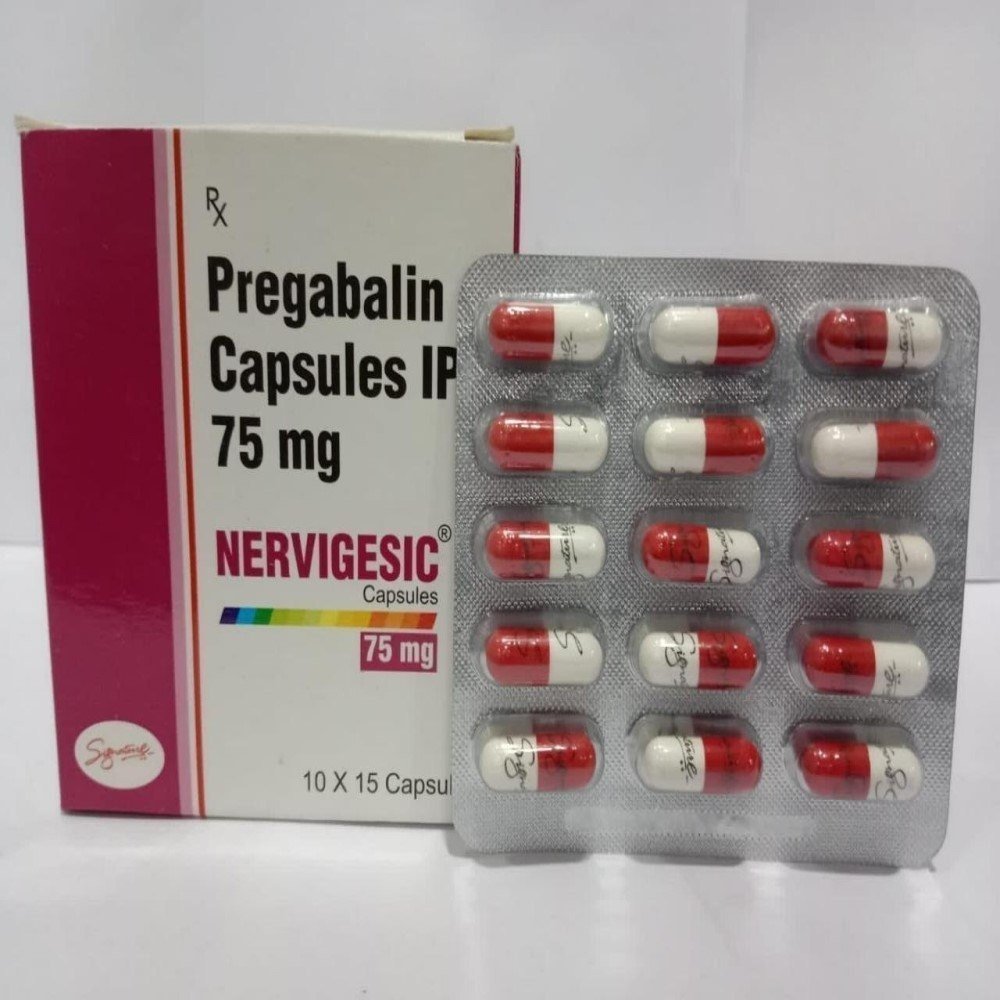
Pregabalin: Uses, Side Effects, Dependence and Treatment
What Is Pregabalin?
Pregabalin is a prescription-only medication used to treat a range of neurological and pain-related conditions. It is classified as an anticonvulsant and neuropathic pain agent and works by affecting how nerve signals are transmitted in the brain and nervous system.
Pregabalin is commonly sold under brand names such as Lyrica. It is available in capsule and oral solution forms and is intended for regular, ongoing use as prescribed by a healthcare professional.
What Is Pregabalin Prescribed For?
Pregabalin for Neuropathic Pain
Pregabalin is widely prescribed for the treatment of neuropathic (nerve-related) pain, including pain associated with:
-
Diabetic peripheral neuropathy
-
Postherpetic neuralgia (pain following shingles)
-
Spinal cord injury
It helps reduce abnormal nerve signaling that causes chronic pain sensations.
Other Approved and Clinical Uses
In addition to neuropathic pain, pregabalin may be prescribed for:
-
Epilepsy (as adjunctive therapy for partial seizures)
-
Generalised anxiety disorder (GAD) in adults
-
Fibromyalgia
Any off-label use is determined by a specialist based on individual clinical need.
How Pregabalin Works
Pregabalin works by binding to specific calcium channels in the central nervous system. This reduces the release of certain neurotransmitters involved in pain signaling, seizure activity and anxiety.
By calming overactive nerve activity, pregabalin helps relieve pain, reduce seizure frequency and improve anxiety symptoms. It does not act directly on GABA receptors, despite having GABA-like effects.
Side Effects of Pregabalin
Common Side Effects
Some individuals may experience side effects when taking pregabalin, including:
-
Dizziness
-
Drowsiness or sedation
-
Weight gain
-
Dry mouth
-
Blurred vision
-
Difficulty concentrating
These side effects are often dose-related and may lessen as treatment continues.
Serious Side Effects
Less commonly, pregabalin may cause more serious side effects, including:
-
Severe allergic reactions (including facial or throat swelling)
-
Mood changes or depression
-
Suicidal thoughts or behavior
-
Breathing difficulties, especially when combined with opioids or other sedatives
Immediate medical attention should be sought if severe allergic, respiratory or psychiatric symptoms occur.
Pregabalin Misuse and Dependence
Pregabalin is a controlled prescription medication in many countries due to its potential for misuse and dependence. Misuse risk is higher at high doses or when combined with other sedative substances.
Misuse may involve:
-
Taking higher doses than prescribed
-
Using pregabalin without a prescription
-
Using it for relaxation or euphoria
-
Combining it with alcohol or opioids
Long-term misuse may lead to tolerance, psychological dependence and physical dependence.
Pregabalin Withdrawal
Stopping pregabalin suddenly, particularly after long-term or high-dose use, may lead to withdrawal symptoms.
Common withdrawal symptoms include:
-
Anxiety or agitation
-
Sleep disturbances
-
Sweating
-
Nausea
-
Headache
-
Irritability
To reduce withdrawal risk, pregabalin should be tapered gradually under medical supervision.
Treatment for Pregabalin Dependence
Medically Supervised Management
Treatment for pregabalin dependence begins with a comprehensive medical assessment. Management may include:
-
Gradual dose reduction (tapering)
-
Monitoring for withdrawal symptoms
-
Support for pain, anxiety or seizure control
Treatment plans are individualized based on clinical needs and duration of use.
Psychological and Therapeutic Support
In addition to medical management, treatment may involve:
-
Psychological therapies
-
Education about medication dependence
-
Coping strategies for anxiety and cravings
-
Relapse prevention planning
These approaches help address both physical and psychological aspects of dependence.
Co-Existing Conditions and Dual Diagnosis Care
Individuals misusing pregabalin may also have co-existing conditions such as chronic pain, anxiety disorders or substance use disorders.
Dual diagnosis care addresses both pregabalin-related issues and underlying health conditions simultaneously, improving long-term outcomes.
Ongoing Care and Long-Term Management
Following stabilization or treatment, ongoing care may include:
-
Regular clinical reviews
-
Continued psychological or pain management support
-
Reassessment of treatment goals
-
Adjustment of therapy as symptoms change
Long-term monitoring supports safe use and reduces the risk of relapse or complications.
When to Seek Medical Advice
If you are concerned about pregabalin use, side effects or dependence, seek advice from a qualified healthcare professional. Early assessment and appropriate management can prevent complications.
Support is available through primary care providers, specialist services and mental health professionals.
Reviews
There are no reviews yet.